
In recent decades, digital advancement has brought significant changes and influenced the habits and customs of people around the world. It is estimated that by 2022 there would be 12 billion devices connected to the internet globally. Around 54% of mobile traffic originates mainly from smartphones (Cisco, 2019).
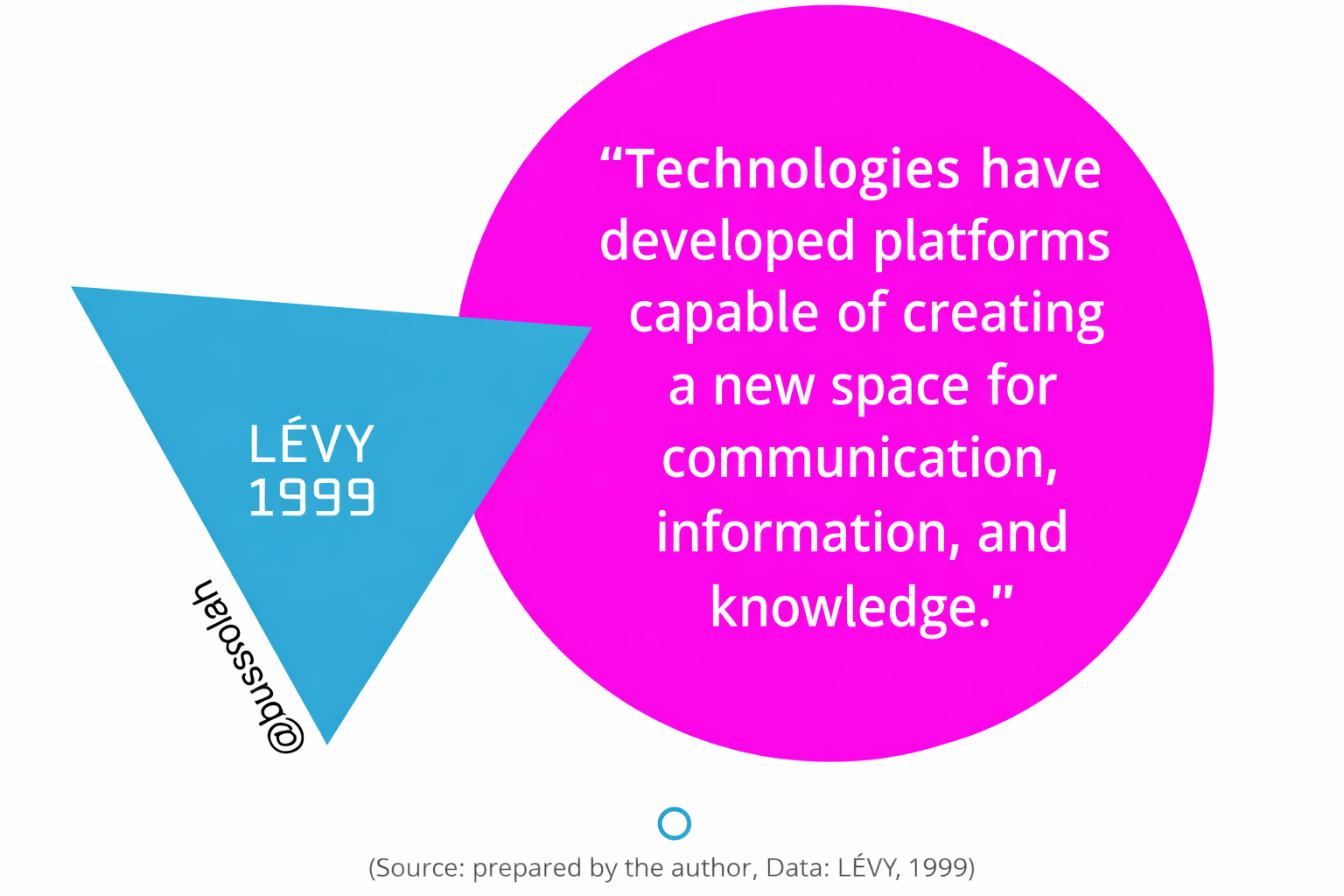
Technology has helped develop platforms capable of amplifying sources of information and communication. “Digital platforms are a business model that enables and encourages interaction between two parties or multiple groups of users, generally creating a collective body and solving common problems” (Marcio Morais, 2019). In the digital environment, technologies have created platforms that generate a new space for communication, information, and knowledge (LÉVY, 1999).
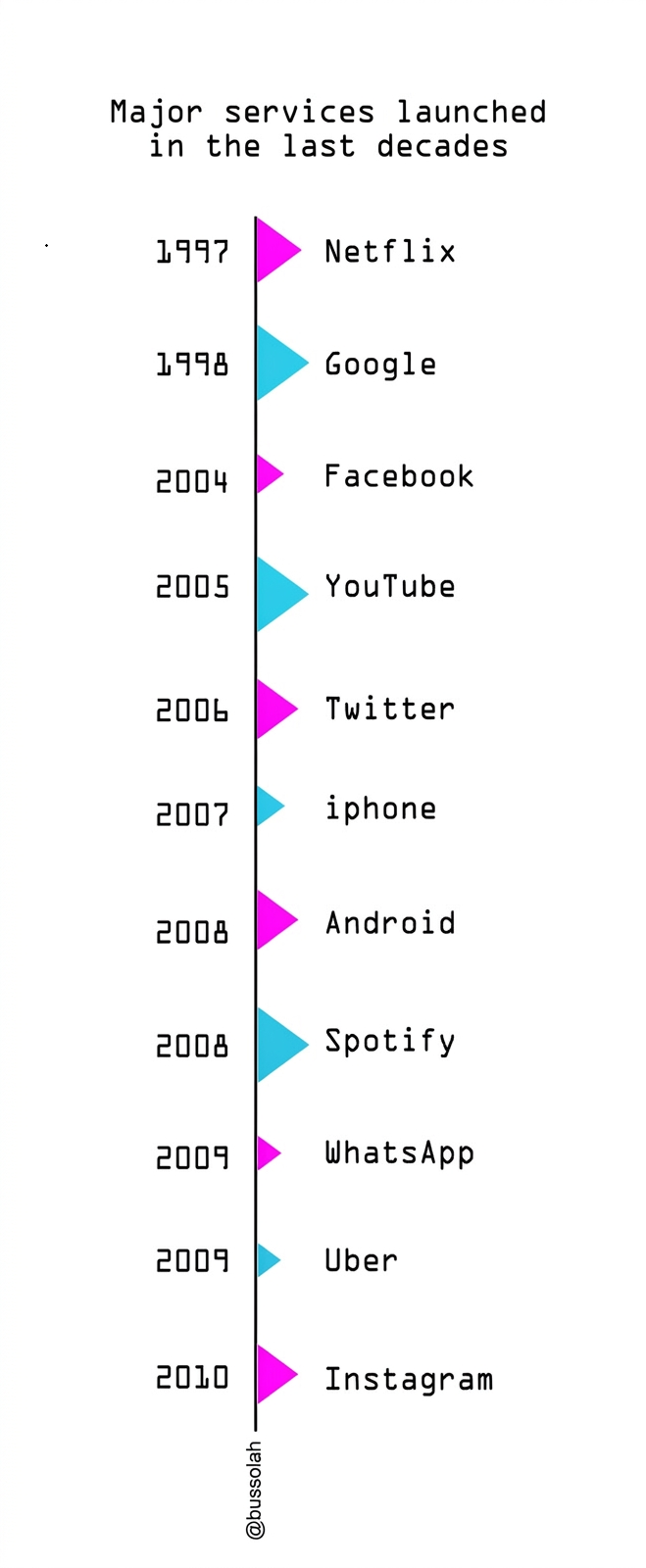
A linha do tempo abaixo indica a chegada, no mundo, dos principais serviços da última década (Runrun.it, 2017).
In Brazil, in less than ten years, some of these platforms have consolidated themselves exclusively on mobile devices, such as WhatsApp, Facebook, and Instagram. They are among the most popular apps on Brazilian smartphone home screens, representing 59%, 47%, and 37% respectively, according to Mobile Time (2019).
Brazil is the fifth country in number of internet users, with 126 million (TIC Domicílio ONU, 2019), and the second in terms of time spent online (219 minutes/day – Global Web Index, 2019). Thirty-eight percent of Brazilian smartphone users report subscribing to streaming services for movies and/or series, with access predominantly via mobile devices (Mobile Time and Opinion Box, 2019). Netflix and Spotify are the leaders. The same study shows that in just two years, the number of Brazilian internet users making in-app purchases increased from 46% to 58%.
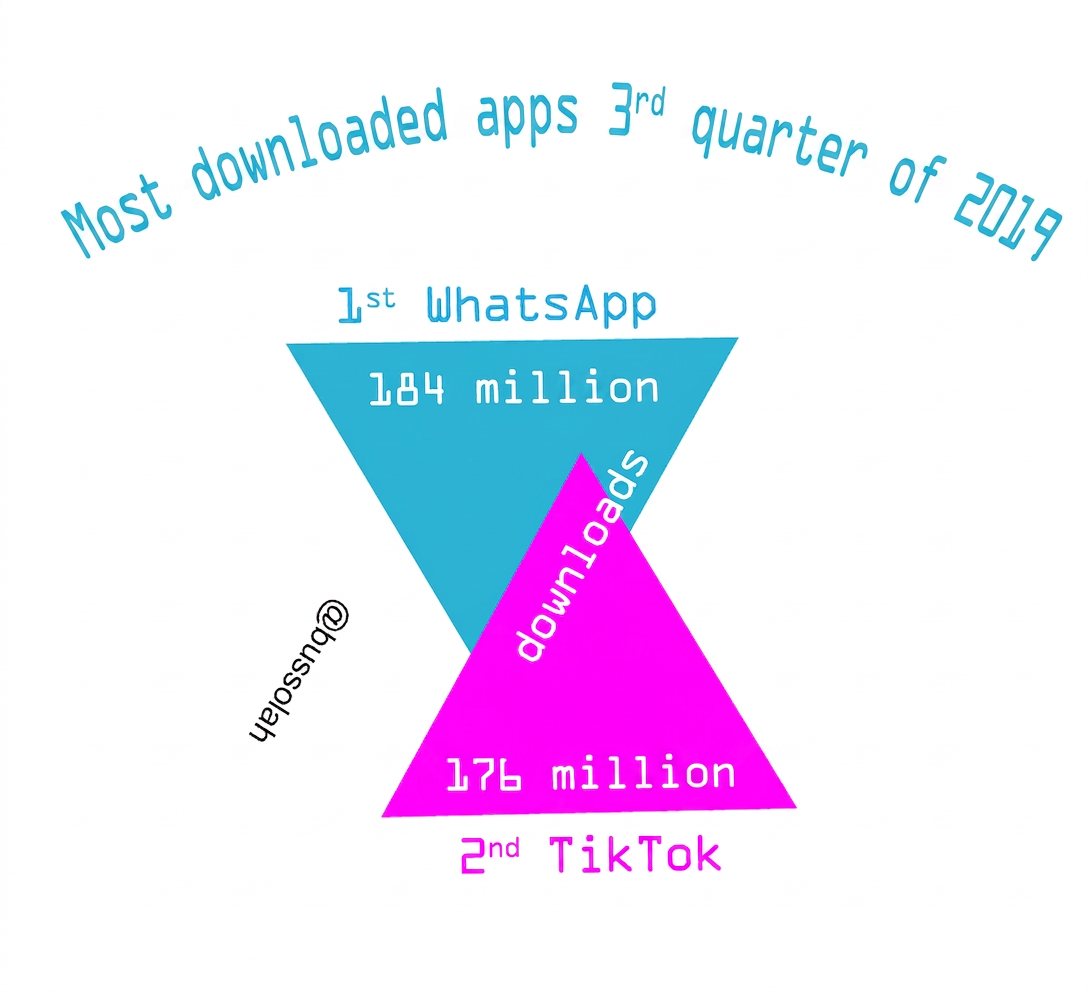
No terceiro trimestre de 2019, o WhatsApp foi o aplicativo mais baixado, com 184 milhões de instalações. “O WhatsApp é o aplicativo número mais baixado a cada trimestre, desde o terceiro trimestre de 2016, quando o Pokémon GO ficou em primeiro lugar. O segundo aplicativo mais baixado foi o TikTok, com mais de 176 milhões de novas instalações”. Em download, os Brasil é o terceiro maior (+ de 2 bilhões), ficando em primeiro lugar a Índia (+ de 5 bilhões), seguido dos E.U.A (+ de 3 bilhões). Esses dados, foram retirados do relatório segundo a Sensor Tower (2019), gigante em inteligência de mercado e insights para a economia global de aplicativos.
Globally, Instagram saw an increase in usage time (+6%), YouTube grew by +5%, while Facebook declined by -1%. Podcasts reached 70 million listeners, and interactive gaming reached 2.5 billion players (Internet Trends, 2019). Delivery services have grown alongside the consumption of educational content via the internet. In about two years, Mercado Livre reached 389 million online payment transactions, and Rappi reached 8 million orders. Coursera and Udemy also stood out (Internet Trends, 2019).
With improved business results driven by interactivity, analysis, measurement, and strategic actions—combined with technological development—Digital Marketing has become one of the most prominent fields globally. Smartphones are becoming the main device for almost every aspect of life, especially among younger generations. Desktop-based impressions and clicks are declining in most markets.
According to the annual IAB Brazil report (Interactive Advertising Bureau, 2019), mobile (67%) accounts for a larger share of digital investment compared to desktop and tablets combined (33%). Social media and video lead as the fastest-growing digital formats, increasing by +25% and +23%, respectively (Magna Global, 2019).
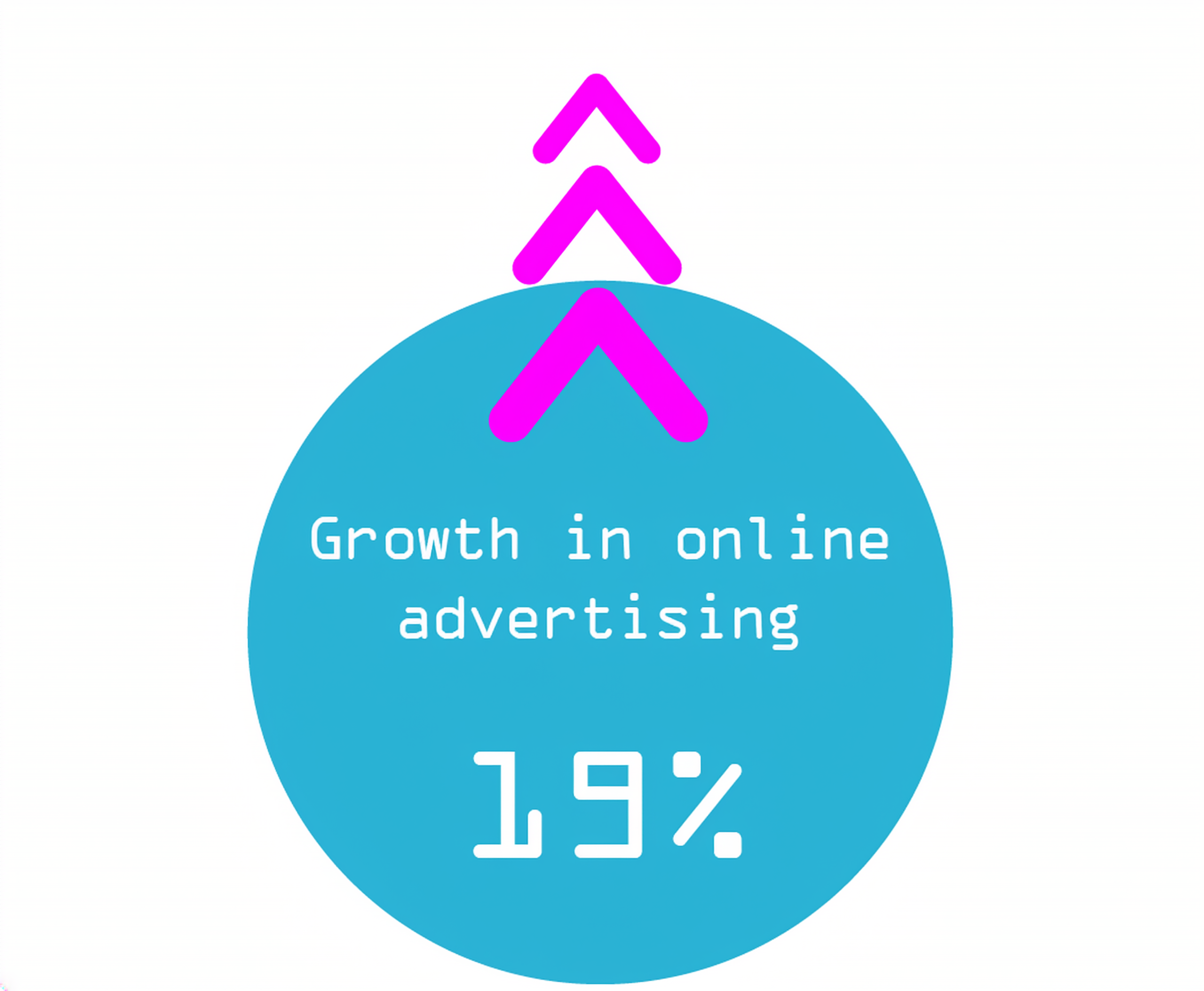
The estimated growth for online advertising investment in 2019 was +30% (Interactive Advertising Bureau, 2019). In the United States alone, there was a 19.8% increase in 2018, reaching $31.4 billion. By 2020, digital and mobile advertising sales were expected to grow by +11%, followed by digital video advertising at +22% (Magna Global, 2019).
Emerging platforms have begun to play a central role in personalizing user experiences, increasing levels of engagement and retention in digital environments. According to Gartner (2019), data-driven technologies and machine learning already directly influence real-time consumer decisions, enabling more accurate and targeted recommendations. In this context, companies that adopt data-oriented strategies tend to achieve better results in digital campaigns, as they are able to gain deeper insights into user behavior. Furthermore, the growing integration between platforms—such as social media, e-commerce, and streaming services—reinforces the creation of interconnected digital ecosystems, where users move seamlessly across different services. According to Accenture (2019), 91% of consumers are more likely to purchase from brands that offer relevant and personalized experiences, highlighting the importance of companies adapting to this evolving digital landscape.
REFERENCES:
Cisco – LÉVY, P. Cibercultura. São Paulo, SP. Editora 34 Ltda, 1999 – Márcio Morais – Runrun.it – Global Web Index – Mobile Time & Opinion Box – ONU – Sensor Tower – Internet Trends – IAB Brasil – Magna Global. – KOTLER, P.Marketing 3.0. Rio de Janeiro: Elsevier, 2010 – Pew Research
Author: Thiago Silva dos Reis

…

